
World Environment Day - June 5, 2026
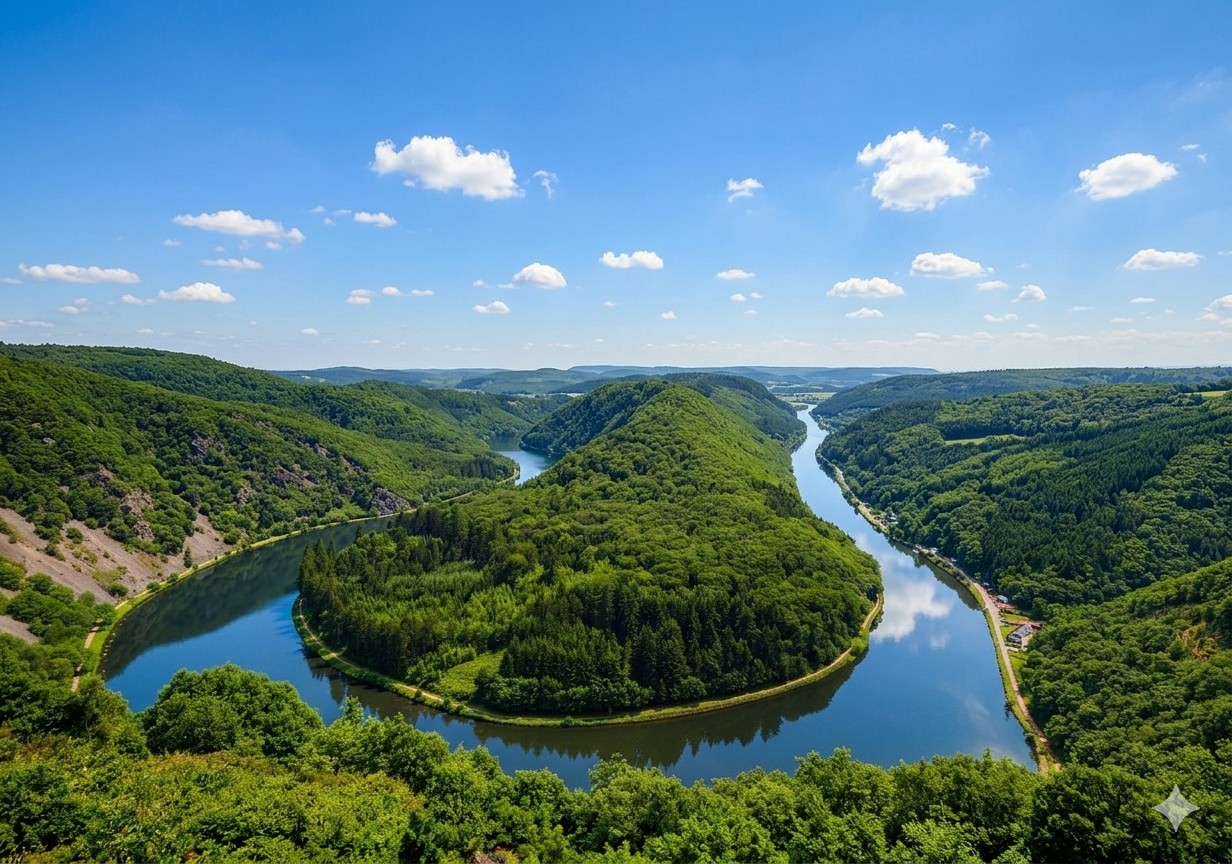
World Environment Day is observed every year on June 5 as a global call to examine the relationship between human activity and the natural systems that make life on Earth possible. The scale of the problem is difficult to absorb: air pollution alone claims roughly seven million lives every year, a toll that exceeds the combined deaths from malaria, tuberculosis, and AIDS. What makes this observance different from a standard awareness campaign is the expectation of action, not just reflection, with governments, businesses, schools, and individuals all treated as accountable participants. The planet's condition is not a background issue that resolves itself, and treating it as one is a choice with consequences that compound quietly over time.
World Environment Day History
Environmental degradation had been treated as a purely domestic problem by most governments well into the 20th century, with pollution, deforestation, and species loss rarely discussed across borders. Sweden broke that pattern in 1968 by bringing the issue formally to the United Nations, arguing that ecological damage did not respect national boundaries and demanded a coordinated global response. The U.N. agreed, and a major conference took place in Stockholm in June 1972 under the leadership of Canadian diplomat Maurice Strong, whose background in the oil and mineral industries made his environmental commitment all the more unexpected. It was at that Stockholm gathering that World Environment Day was created, with the first observance following two years later in 1974 under the slogan "Only One Earth."
That inaugural conference drew representatives from 113 countries and produced both a landmark declaration on human interaction with nature and the founding of the U.N. Environment Programme. Each subsequent year a different country volunteers to host the event and a new theme is chosen, giving the occasion a rotating global focus that has addressed issues ranging from desertification and ocean health to biodiversity loss and plastic pollution. The annual theme selection carries real influence, shaping which environmental topics receive the most sustained media and policy attention in any given year.
Participation has grown steadily over the decades, with activities now documented in more than 143 countries through cleanups, tree-planting drives, policy announcements, and public education campaigns. The choice of host nation signals where environmental pressure is most acute or where leadership on a particular issue is strongest. What began as a diplomatic mechanism for putting ecology on the political agenda has become the largest annual platform for environmental public engagement anywhere in the world.
Why World Environment Day Matters
Small Actions Compound at Scale
Planting a single tree, replacing one car journey with a walk, or switching to a reusable bag feels negligible in isolation. Multiplied across millions of households making similar choices on the same day, the aggregate effect becomes measurable. The value of a shared occasion is precisely that it synchronizes individual action into something large enough to register.
Knowledge Drives Better Choices
Most environmental harm is not the result of malice but of uninformed habit. People buy products without knowing what goes into making them, eat food without understanding the land and water required to produce it, and discard materials without thinking about where they end up. Regular public engagement through events like this one shifts the baseline of what people know and therefore what they find acceptable.
The Planet Cannot Wait
Environmental problems operate on timescales that make delay extremely costly. Species lost to habitat destruction do not return, topsoil eroded over decades takes centuries to rebuild, and greenhouse gases already in the atmosphere will influence global temperatures for generations regardless of what happens next. Having a fixed date that forces public attention onto these issues creates pressure that no individual news cycle can sustain on its own.
How to Observe World Environment Day
Support an Organization Doing the Work
Find a local or international group working on a specific environmental issue you care about and make a concrete contribution, whether that means donating, volunteering for a cleanup, sharing their work with people you know, or attending a public event they organize. Organizations doing conservation, legal advocacy, or scientific monitoring operate year-round and need sustained support, not just attention on one day in June.
Cut One Disposable From Your Routine
Choose a single-use item you reach for regularly and find a permanent replacement for it today. A reusable coffee cup, a set of beeswax wraps instead of cling film, a bamboo toothbrush, a bar of shampoo instead of a plastic bottle. The point is not to solve everything at once but to make one change that actually sticks, since durable habits outlast any single day of good intentions.
Go Outside and Look Closely
Pick a green space, a riverbank, a patch of urban scrubland, or a forest trail, and spend an hour paying genuine attention to what lives there. Notice which plants are thriving, which look stressed, whether the water runs clear, whether insects are present in the numbers you would expect. Direct observation builds a personal baseline that makes environmental change legible in a way that statistics never quite manage.
Facts About the Environment
Oceans Absorb Most Heat
The world's oceans have absorbed over 90% of the excess heat generated by human activity since industrialization began.
Forests Breathe for Us
Tropical rainforests produce roughly 20% of the world's oxygen and house more than half of all plant and animal species on Earth.
Freshwater Is Scarce
Less than 3% of all water on Earth is fresh, and of that, only a tiny fraction is accessible for human use without industrial treatment.
Soil Takes Centuries to Form
It takes approximately 500 years for nature to produce just one inch of topsoil, yet modern agriculture erodes it at many times that rate.
Insects Keep Everything Running
Insects pollinate around 75% of the world's flowering plants and nearly 35% of global food crops, making them the most ecologically critical animals on the planet.
World Environment Day Dates
| Year | Date |
| 2026 | June 5 |
| 2027 | June 5 |
| 2028 | June 5 |