
National Weed Your Garden Day - June 13, 2026
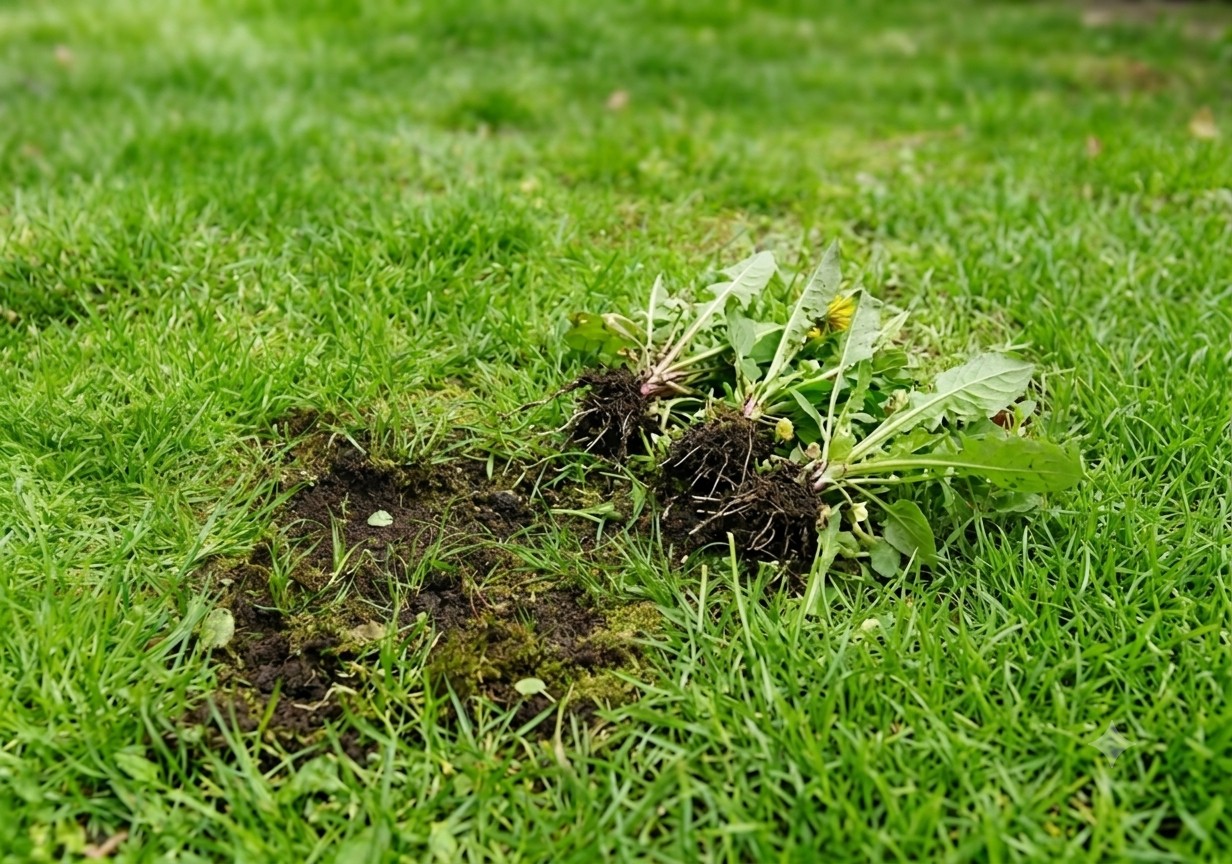
National Weed Your Garden Day is observed every year on June 13 as a reminder that a truly thriving garden demands attention beneath the surface, not just above it. Weeds are relentless competitors, quietly stealing water, light, and nutrients from the plants that actually belong there. Left unchecked, even a single invasive plant can spread hundreds of seeds and crowd out an entire bed within a season. Getting ahead of the problem while the soil is workable turns what feels like a chore into a satisfying act of care for everything you have grown.
National Weed Your Garden Day History
Weeds are opportunists by nature, filling any gap in the soil before cultivated plants can claim the space. Botanical records show that farmers and gardeners have battled unwanted growth for as long as humans have tended land, with ancient Egyptian texts describing techniques for clearing fields of intruders. National Weed Your Garden Day exists to put that timeless struggle on the calendar, giving gardeners a fixed occasion each June to tackle overgrowth before summer heat makes the task genuinely miserable. Understanding why weeds thrive helps explain why the fight never quite ends: species like bindweed, ground elder, and creeping thistle propagate through both seeds and root fragments, meaning incomplete removal only multiplies the problem.
The cultural significance of maintained gardens runs surprisingly deep. Mesopotamian irrigated plots, Chinese scholar gardens, and the grand formal parterres of Versailles all share one common thread: deliberate control over what grows and what does not. Rulers in Persia, Rome, and Tang Dynasty China invested enormous resources in walled gardens precisely because a well-ordered space signaled mastery over the natural world. That same impulse drives the modern homeowner who spends a Saturday morning on hands and knees along a flower border.
Tools designed for weeding have evolved considerably over the centuries, reflecting how seriously gardeners have taken the task. Early cultivators used sharpened sticks and flat stones to loosen soil around unwanted roots; by the Middle Ages, specialized iron hoes had become standard equipment across Europe and Asia. Today the range extends from ergonomic hand forks to battery-powered cultivators, yet many experienced gardeners still argue that nothing matches the precision of working by hand, especially around delicate perennials where a machine would cause collateral damage.
Why National Weed Your Garden Day Matters
Building a Lasting Routine
Approaching weeding as a scheduled event rather than a reaction to visible neglect changes the entire experience of garden maintenance. Gardens tended in consistent, manageable sessions rarely reach the overwhelming state that discourages people from spending time outside. A habit built around one dedicated day each year is far easier to sustain than waiting until the problem demands emergency attention.
Protecting What You Planted
Every weed left in place is a potential seed source, and a single dandelion can release hundreds of airborne seeds before the end of summer. Clearing the garden on this occasion dramatically reduces the pressure on ornamental and edible plants for months ahead. Even a single thorough session can shift the balance decisively in favor of the plants you actually want there.
Soil Health Beneath the Surface
Removing weeds does more than tidy appearances; it restores the nutrient balance that established plants depend on for steady growth. Root competition from invasive species draws down the same minerals that vegetables and flowers need most during their peak season. Gardens cleared of weeds consistently produce stronger harvests and more vigorous blooms than those where competition is left unchecked.
How to Observe National Weed Your Garden Day
Seal It All Over
Once the beds are clear, lay a generous layer of wood chip or straw mulch around your plants to suppress regrowth before new seeds can establish. A well-mulched garden after this event stays noticeably cleaner for weeks longer than bare soil ever would. It takes less than an hour to mulch a standard bed, and the difference in workload through the rest of summer is immediate.
Invite a Helping Hand
Ask a neighbor or friend to join for a few hours and split the work across both gardens in the same afternoon. Shared labor cuts the time in half and turns a solitary task into a genuinely enjoyable outdoor activity. You can swap tips, share tools, and finish the day with a meal together as a proper reward.
Tackle the Hardest Areas
Walk the full perimeter of your garden before pulling a single weed and identify the areas where growth is densest or where invasive roots go deepest. Tackling the hardest sections first means the remaining work feels progressively easier as the morning goes on. Finishing the worst patch gives a genuine sense of momentum that carries you through the rest of the beds.
Facts About Weed Control
Hardy Underground Travelers
Bindweed roots can extend more than ten feet into the soil, making surface removal alone almost entirely ineffective against established plants.
Seeds That Outlast Generations
Weed seeds from species like common chickweed and fat hen can remain viable in the soil for up to forty years, lying dormant until cultivation brings them back to the surface.
Surprising Value in Weeds
Nettles, widely pulled as a nuisance, are among the most nitrogen-rich plants available and can be composted to create a highly effective liquid fertilizer within two weeks.
The Scale of the Problem
Agricultural studies estimate that weed competition reduces crop yields globally by roughly ten percent each year, representing one of the largest ongoing sources of food production loss worldwide.
Pulling as Physical Exercise
An hour of moderate weeding burns approximately 200 calories and engages the core, arms, and lower back in ways that benefit flexibility and functional strength for everyday movement.
National Weed Your Garden Day Dates
| Year | Date |
| 2026 | June 13 |
| 2027 | June 13 |
| 2028 | June 13 |