
National Bourbon Day - June 14, 2026
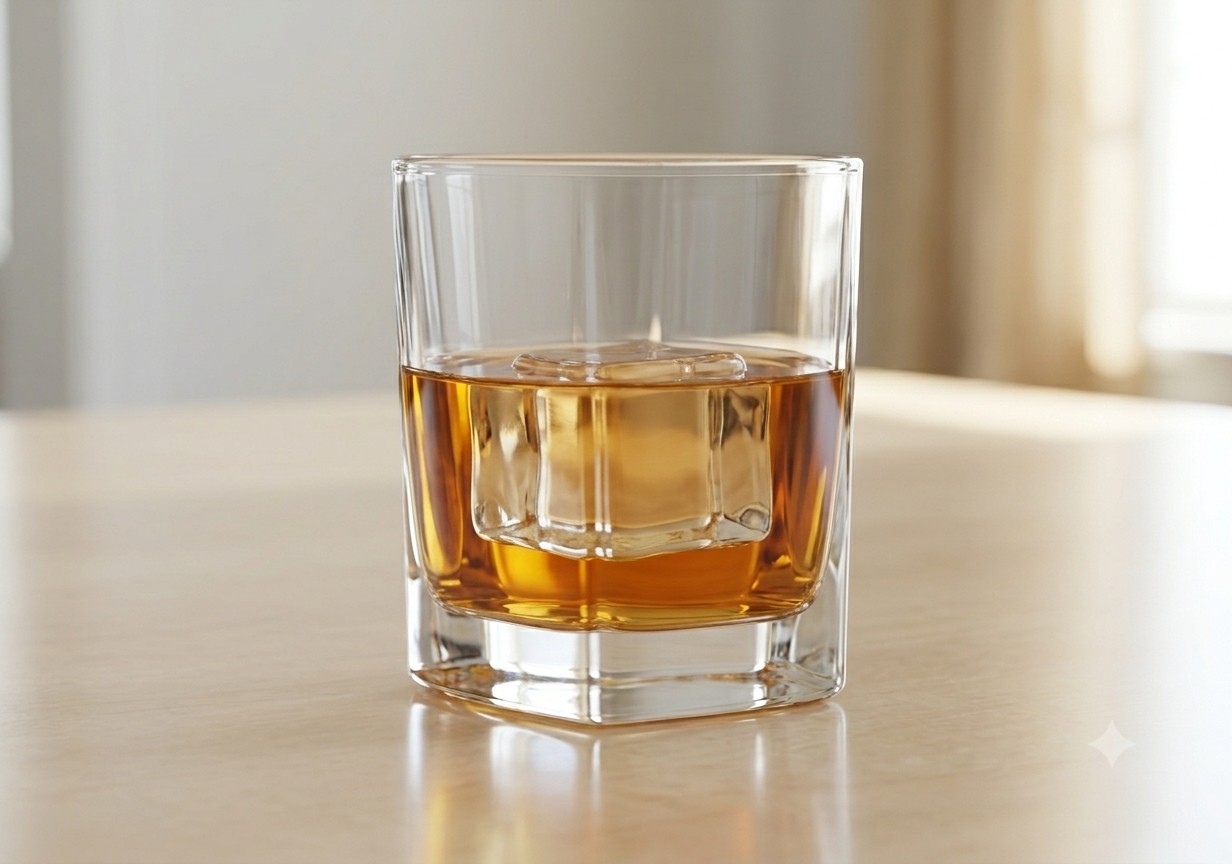
National Bourbon Day is takes place on June 14 as a tribute to America's most iconic homegrown spirit. Bourbon occupies a rare position in the world of distilled liquor: it is legally defined, geographically rooted, and stubbornly itself in an era when most spirits have been smoothed into something globally generic. What sets it apart is not just the corn mash or the charred oak aging, but the specific convergence of geography, accident, and commerce that produced it. Few drinks carry quite the same weight of place and story in every sip.
National Bourbon Day History
Bourbon's character owes more to the ground beneath Kentucky than most drinkers realize. The Bluegrass State sits atop a vast limestone shelf that naturally filters the region's water, stripping out iron compounds and loading it with calcium, producing a mineral profile that yeast thrives in and that gives bourbon its clean, distinctive base. That same geology shaped the local grain culture: corn, the one crop that grew abundantly in the rocky, rolling terrain of late eighteenth-century Kentucky, became the default raw material for Scots-Irish settlers who had been distilling whiskey in the Old World long before they crossed the Atlantic. National Bourbon Day recognizes a spirit born not from a single inventor's decision but from a landscape that made corn the logical choice and limestone water the quiet secret ingredient.
The transformation from simple corn whiskey into something worth naming came through a happy chain of necessity and improvisation. A clergyman and distiller named Elijah Craig, working in Bourbon County during the late 1780s, faced a practical problem: the only available containers for storing his spirits were barrels that had previously held fish. The fish-tainted wood ruined the flavor, so Craig began charring the insides of white-oak barrels to neutralize the smell, unknowingly creating the process that would define the spirit forever. What the char did to the whiskey over weeks and months astonished everyone who tasted it: the wood drew out harsh compounds, introduced vanilla and caramel notes, and gave the liquid a warmth and depth that plain corn whiskey had never possessed.
The final ingredient in bourbon's origin story was distance. Craig stamped his barrels with their county of origin and sent them downriver to New Orleans, a journey that in the late 1700s took roughly ninety days. By the time the barrels arrived along the Mississippi trade routes, the whiskey inside had been transformed by movement, heat, and time spent inside charred oak. New Orleans merchants and drinkers quickly developed a preference for the smooth, amber spirit over the raw, unaged alternatives flooding the market. Their requests for more "of that Bourbon County whiskey" condensed over time into a single word, and a name that had started as a shipping label became the identity of an entirely new category of American drink.
Why National Bourbon Day Matters
Rewards Gradual Exploration
Bourbon offers a spectrum that rewards curiosity without demanding expertise. Entry-level bottles deliver approachable sweetness, while older or higher-proof expressions reveal layers of complexity that take time to fully read. Tasters who begin with a well-known label and slowly work toward smaller distilleries or single-barrel releases often describe the experience as one of the more satisfying arcs in drinking.
Genuinely American Roots
No other major spirit shares bourbon's specific claim to American soil. By law it must be made in the United States, distilled from a mash of at least 51% corn, and aged in new charred oak containers, rules that reflect not bureaucratic invention but the actual history of how the drink evolved in Kentucky. The overwhelming majority of production still happens within a single state, and the regional identity is not branding but geology and history made liquid.
Blends Smoothly with Many Flavors
Bourbon's flavor profile is wide enough to complement almost any context, whether neat in a quiet room or poured into a well-built cocktail. Its notes of caramel, vanilla, oak, and spice make it a natural bridge between sweet and savory, and bartenders have long exploited that range in everything from simple ginger highballs to complex bitters-forward stirred drinks.
How to Celebrate National Bourbon Day
Explore Kentucky on Screen
Documentaries about bourbon distilling offer an unexpectedly absorbing look at a process that has changed relatively little in two centuries. The film Neat: The Bourbon Film covers the craft side of the industry, while KET's "Kentucky Bourbon Tales" brings in the voices of working distillers who have spent decades coaxing flavor from grain, water, and time.
Gather Friends, Compare Bottles
A small tasting with three or four different bourbons side by side reveals more about the spirit than reading any number of reviews. Ask each guest to bring a bottle from a different distillery or price range, add a single drop of still water to each pour to open up the aromas, and take notes on what appears: woodsmoke, dried fruit, corn sweetness, leather, or spice. The differences between bottles that look nearly identical on the shelf can be surprising.
Build a Classic Pour
An Old Fashioned remains the most instructive way to experience what bourbon actually tastes like, since the recipe uses so little else that the spirit has nowhere to hide. A sugar cube, a few dashes of Angostura bitters, a splash of water, two ounces of bourbon, and a large ice cube stirred until cold is all it requires. A strip of orange peel expressed over the glass adds fragrance without competing with the whiskey itself.
Facts About Bourbon
A Strict Legal Definition
Federal law requires that bourbon be distilled to no more than 160 proof and entered into the barrel at no more than 125 proof, rules that directly shape the final flavor.
Barrels Used Only Once
American bourbon law mandates that each barrel be new and charred, meaning used bourbon barrels are sold off to Scotch, rum, and tequila producers worldwide, who prize them for secondary aging.
Temperature Swings Do the Real Work
Kentucky's sharp seasonal shifts cause the wood of aging barrels to expand in summer heat and contract in winter cold, pushing the whiskey deeper into the char with each cycle and accelerating flavor development.
Age Statements Reflect Minimum Time
When a bottle carries an age statement, it reflects the youngest whiskey in the blend, so a "four-year" bourbon may contain older barrels contributing complexity beyond what the label suggests.
Most Production Stays in One State
Roughly 95% of all bourbon made globally comes from Kentucky, a concentration rooted in the state's unique limestone water, climate, and centuries of accumulated distilling knowledge.
National Bourbon Day Dates
| Year | Date |
| 2026 | June 14 |
| 2027 | June 14 |
| 2028 | June 14 |