
National Caves and Karst Day - June 6, 2026
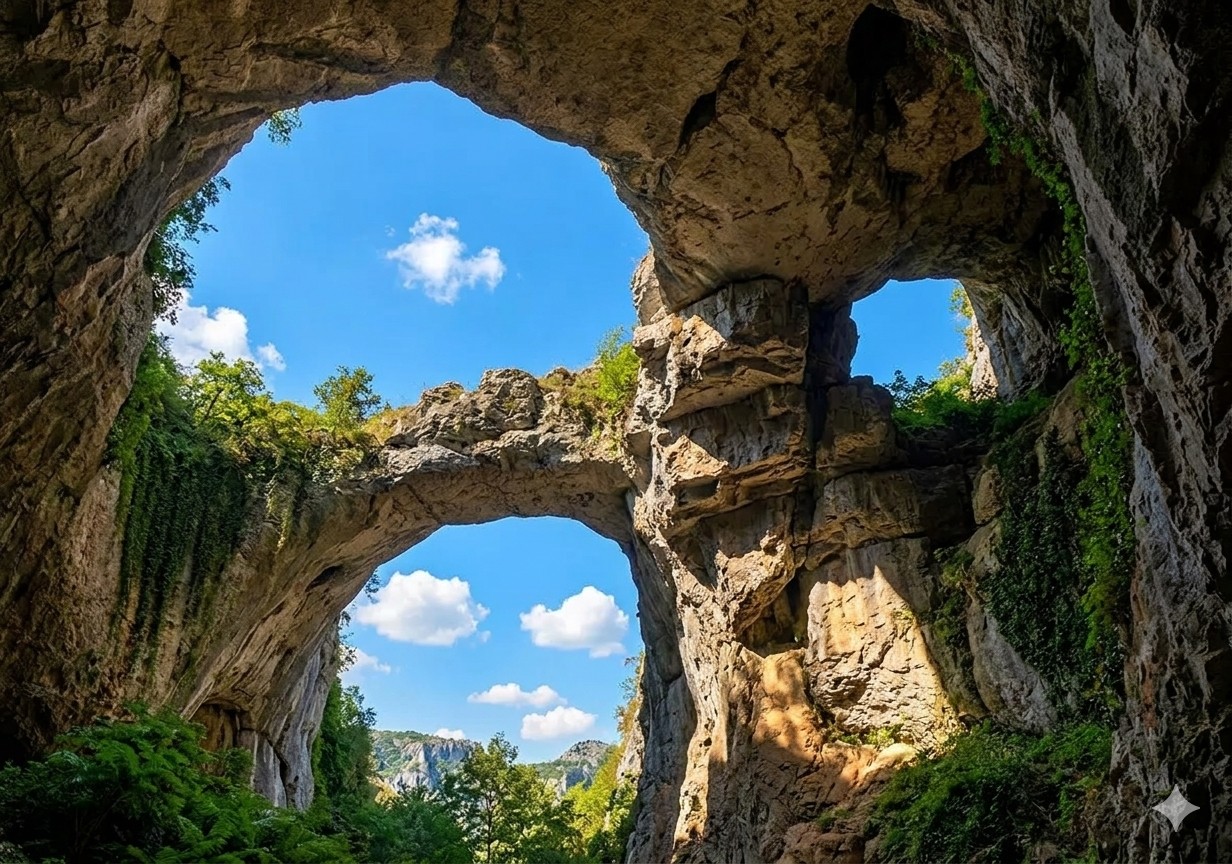
National Caves and Karst Day is observed on June 6 to draw attention to the underground landscapes that shape far more of daily life than most people ever stop to consider. Beneath ordinary ground lies a parallel geography of hollow chambers, dissolving rock, and hidden waterways that feed rivers, filter drinking supplies, and shelter ecosystems found nowhere else on earth. The science of karst, which describes terrain sculpted by water slowly eating through soluble bedrock, underpins entire regional water systems that millions of people rely on without knowing it.
National Caves and Karst Day History
Caves served as shelter, canvas, and sanctuary long before any formal study of them existed. Some of the oldest confirmed cave paintings found in Europe date back roughly 64,000 years, predating many other forms of preserved human expression by a considerable margin. These painted walls and engraved surfaces tell researchers something painting on open ground never could: what life, belief, and visual thinking looked like when the only light came from fire, and the audience was small, intentional, and chosen. The underground record preserved what open-air weather would have long since erased.
American cave history carries its own weight. Mammoth Cave, the longest known cave system on the planet at over 420 miles of mapped passages, was formally established as a national park on July 1, 1941, though its documented European discovery came much earlier, attributed to a hunting expedition by John Houchin in 1797. During the War of 1812, miners extracted saltpeter from its passages for gunpowder production, making the cave an active industrial site long before it became a tourist destination. Four of the world's ten longest cavern systems lie within the United States, and karst aquifers beneath American soil supply roughly 40 percent of the nation's drinking water.
The formal recognition of caves as a subject worthy of a dedicated annual event came when the National Caves Association voted to establish National Caves and Karst Day in 2017, giving speleologists, park rangers, and recreational cavers a shared calendar moment. The timing helped consolidate what had been scattered awareness efforts into a single, organized push. Approximately 150 million tourists visit caves around the world each year, and the designation gave that enormous audience a focal point for deeper engagement, connecting casual visitors to the conservation stakes behind the spectacular formations they had come to see.
Why National Caves and Karst Day Matters
Fragile Ground Worth Protecting
Karst landscapes above and below the surface are inherently vulnerable because the same permeability that makes them hydrologically vital also makes them easy to damage. Waste dumped near sinkholes, heavy groundwater extraction, and surface development over karst can destabilize cave structures and contaminate entire aquifer systems within years. Raising awareness of that fragility is what gives this June observance its practical urgency.
Living Science Laboratories
Cave environments host microorganisms that have adapted to darkness, low nutrients, and stable temperatures over millions of years, producing biological compounds that researchers are actively investigating for medical applications. Formations inside caves also preserve climate records in their mineral layers, offering a detailed archive of atmospheric and temperature shifts stretching back far beyond written history.
Underground Water, Everyday Life
Karst aquifers quietly supply drinking water to hundreds of millions of people across multiple continents, making their health a direct public concern rather than a specialized environmental issue. Contamination introduced at the surface can move through karst systems rapidly, bypassing the filtration layers that protect other groundwater sources. Understanding how these systems function is foundational to protecting water quality at a regional scale.
How to Observe National Caves and Karst Day
Dig Into Cave Science
Spending part of the event reading about speleology, karst hydrology, or the conservation challenges facing specific cave systems turns a calendar marker into genuine learning. Regional caving clubs, university geology departments, and organizations like the National Speleological Society publish accessible material for non-specialists. Following that curiosity even a short distance often leads somewhere surprisingly deep.
Bring Younger Explorers Along
Children who experience a cave tour often retain a lasting curiosity about earth science that classroom instruction alone rarely produces, making this a particularly effective introduction to geology, hydrology, and ecology at once. The Junior Cave Scientist activity program offers a structured way for young visitors to engage more deeply with what they observe underground. Starting that interest early tends to stick.
Book a Guided Cavern Visit
Touring one of the many exhibit caves open to the public is the most immediate way to connect with the occasion, placing visitors inside the geology they would otherwise only read about. Professional guides translate what looks like abstract rock into readable history, pointing out formations that took centuries to develop and ecosystems that exist nowhere above ground.
Facts About Caves and Karst
Oldest Confirmed Cave Art
The earliest verified cave paintings in Europe have been dated to approximately 64,000 years ago, placing their creation well before the arrival of anatomically modern humans in that region.
Karst Covers a Quarter of Earth
Roughly 25 percent of the planet's land surface is underlain by karst geology, making it one of the most widespread landscape types on earth despite being largely invisible from above.
Caves Without Sunlight Support Life
Certain cave-adapted species, including blind fish, colorless crustaceans, and rare fungi, exist only in underground environments and have evolved entirely in the absence of photosynthesis-based food chains.
Mammoth Cave Keeps Growing
New passages in Mammoth Cave are still being discovered and mapped, meaning the total length of the world's longest cave system continues to increase as exploration technology improves.
Stalactites Grow Slowly
Most stalactites in active cave systems grow at a rate of roughly one cubic centimeter per century, meaning a formation the size of a human fist represents thousands of years of mineral deposition.
National Caves and Karst Day Dates
| Year | Date |
| 2026 | June 6 |
| 2027 | June 6 |
| 2028 | June 6 |