
National Corn on the Cob Day - June 11, 2026
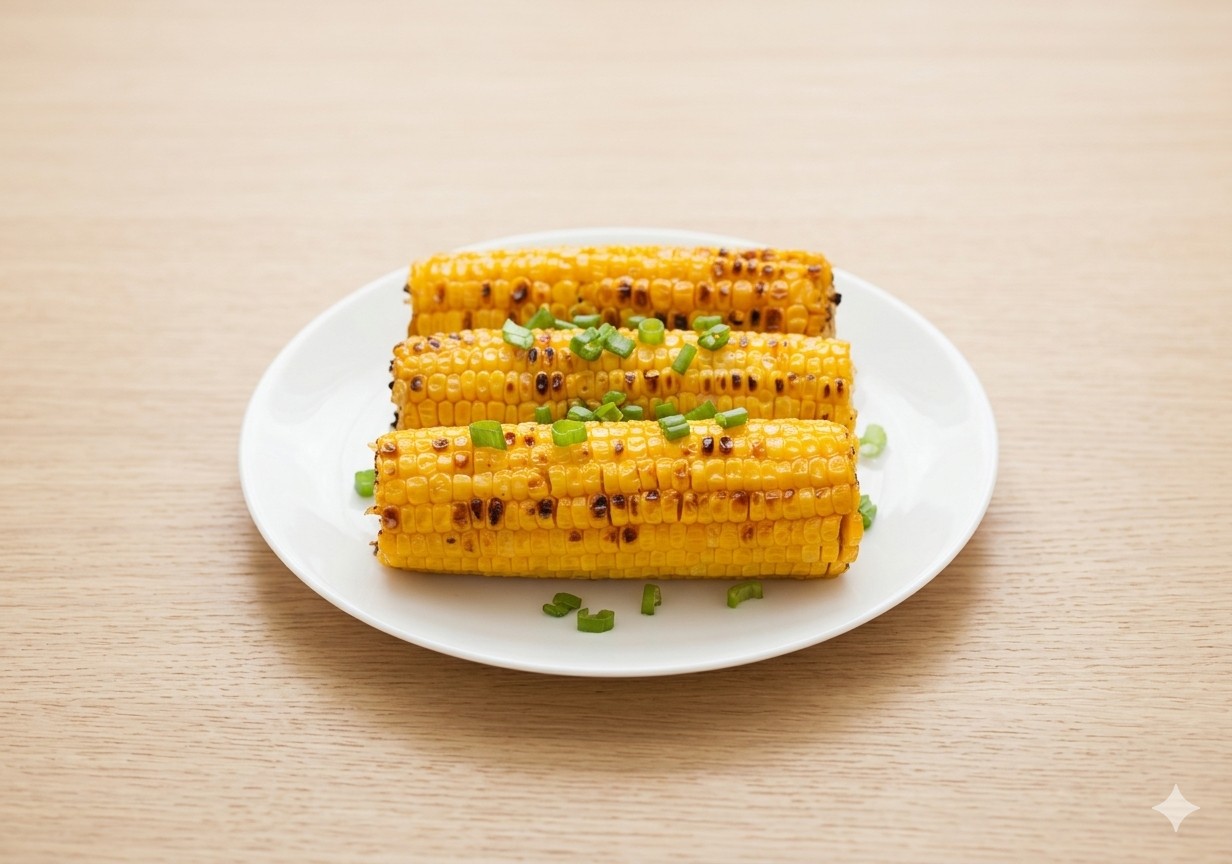
National Corn on the Cob Day is celebrated on June 11 as a tribute to one of summer's most iconic and universally loved foods. There is something almost ceremonial about the way people eat it, turning the cob like a slow typewriter and working through each golden row with total concentration. Few foods carry this kind of hands-on ritual, and that tactile pleasure is a big part of why corn on the cob has never needed a marketing campaign. Hot off the grill, slathered in butter and seasoning, it has a way of making even an ordinary Tuesday feel like a proper occasion.
National Corn on the Cob Day History
Corn is a grass species domesticated by indigenous peoples of southern Mexico from a wild plant called teosinte roughly 9,000 years ago, making it one of the oldest cultivated crops in the world. Through centuries of agricultural development across the Americas, it spread northward through trade and migration, becoming a dietary cornerstone for dozens of Native nations long before European contact. National Corn on the Cob Day draws attention to this deep-rooted legacy, reminding modern eaters that what they're holding at a summer cookout connects directly to thousands of years of human ingenuity. When Spanish explorers returned to Europe in the late 15th century, they brought corn with them, setting off a global dispersal that would eventually make it the most produced grain on Earth.
What followed was an agricultural transformation that reshaped food systems across continents. By the 18th century, corn had become central to the diets of communities across Africa, Europe, and Asia, each culture adapting it to local cooking traditions. In the United States, selective breeding over the 19th and 20th centuries produced the sweet varieties specifically engineered for fresh eating rather than grain production, including early yellow cultivars and later the white and bicolor types now found at farm stands everywhere. The sugar content in these sweet varieties converts rapidly to starch after harvest, which explains why growers and chefs insist on eating corn within hours of picking.
Beyond the dinner table, the plant's industrial reach is staggering. Corn-derived ingredients appear in adhesives, pharmaceuticals, textiles, and biodegradable plastics, and ethanol produced from corn accounts for a significant share of the fuel blended into gasoline across North America. High-fructose corn syrup, extracted through a wet-milling process developed in the 1970s, became a fixture in processed food manufacturing due to its low cost and long shelf life. None of this industrial utility diminishes the pleasure of eating corn fresh on the cob, but it does put in perspective just how much of modern life runs on a plant that started as a scraggly wild grass in the Mexican highlands.
Why National Corn on the Cob Day Matters
Summer Gathering Glue
Few foods do as much work at a cookout as a pile of corn on the cob. It keeps people at the table, sparks conversation about seasoning preferences, and scales effortlessly whether feeding four or forty. Putting it at the center of a summer meal gives any gathering an easy, relaxed rhythm that keeps everyone comfortable.
Kitchen and Garden Science
Growing corn teaches patience and observation in ways few other vegetables can match. The plant's lifecycle from silk to harvest is fast enough to follow within a single season, making it a rewarding project for backyard gardeners. Understanding how quickly sugar converts to starch after picking also makes a strong case for visiting a local farm stand rather than relying on supermarket ears.
Endless Flavor Possibilities
Butter and salt are just the starting point for what corn on the cob can become with a little imagination. Toppings like chili-lime crema, miso glaze, smoked paprika oil, or cotija cheese turn a simple ear into something genuinely complex. Experimenting with different preparations is part of what keeps this food feeling fresh every summer.
How to Celebrate National Corn on the Cob Day
Run a Knowledge Game
Corn's history spans continents and millennia, which means there is no shortage of genuinely surprising facts to build a trivia night around. Questions about Native agricultural history, the chemistry of sweetness, or the plant's role in fuel production tend to catch people off guard in the best way. A small prize for the winner gives everyone extra motivation to study up beforehand.
Document Your Preparation
Photograph or film the cooking process and share it with the tag #NationalCornOnTheCobDay to connect with a surprisingly enthusiastic online community of corn fans. Grilling, steaming, boiling, and roasting all produce noticeably different results, so documenting a side-by-side comparison makes for genuinely interesting content. Someone out there is always looking for a new method to try.
Visit a Festival Nearby
Plainview, Minnesota hosts an annual corn celebration complete with street performers, a talent competition, and a soapbox derby that draws visitors from across the region. If travel isn't possible, many county fairs and farmers markets run their own corn-themed events in June worth checking out locally. Either way, eating corn in a crowd makes it taste better.
Facts About Corn on the Cob
Silk Strand Count
Each strand of corn silk that grows from the top of the ear corresponds to exactly one kernel developing on the cob beneath it, making the silk a surprisingly accurate predictor of a harvest's size.
Ancient Popcorn Evidence
Archaeologists excavating tombs along the Peruvian coast discovered popcorn remnants that carbon dating placed at over 6,000 years old, pushing the history of prepared corn well beyond what most people assume.
Kernel Row Parity
No matter the variety, corn kernels always arrange themselves in even-numbered rows around the cob, a biological consistency that has held across thousands of cultivated strains worldwide.
Global Production Leader
More corn is harvested globally each year than any other grain crop, with total output regularly surpassing both wheat and rice by hundreds of millions of metric tons.
Cob's Practical Past
Before modern plumbing and manufactured goods became standard, dried corn cobs served rural American households as fuel for fires, abrasive scrubbing tools, and the carved bowl material for a style of pipe that remained popular well into the 20th century.
National Corn on the Cob Day Dates
| Year | Date |
| 2026 | June 11 |
| 2027 | June 11 |
| 2028 | June 11 |