
National Red Rose Day - June 12, 2026
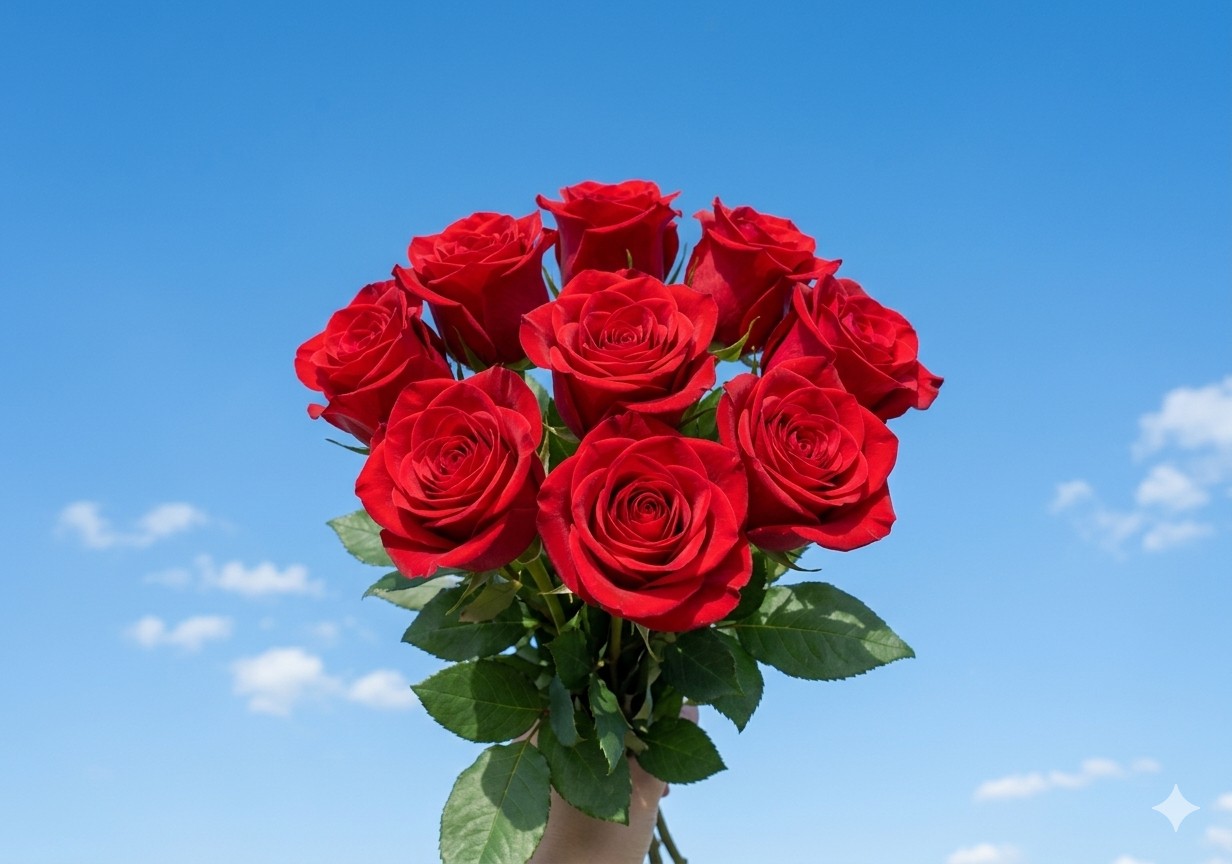
National Red Rose Day is celebrated on June 12 in recognition of a flower that has carried the weight of human emotion longer than almost any other living thing. Few plants have managed to embed themselves so deeply into weddings, elegies, rebellions, and perfume bottles all at once. The red rose sits at a strange crossroads where nature meets symbolism, where a garden bloom becomes a declaration that words somehow cannot manage. Even people who have never planted a seed in their lives know exactly what it means when one arrives at the door.
National Red Rose Day History
Red roses belong to the genus Rosa, a group of woody perennials that has existed on Earth for roughly 35 million years, making them far older than any civilization that would eventually assign them meaning. The earliest humans to deliberately cultivate them were likely in ancient China, where garden records from around 500 B.C. describe roses as prized ornamental plants during the Zhou Dynasty. National Red Rose Day traces part of its cultural DNA back to that long tradition of treating this flower as something worth setting apart from ordinary greenery, worthy of deliberate care and contemplation.
The paradox at the heart of the red rose's symbolism is that its color meant something different depending on who was looking. In ancient Rome and Greece, the bloom was associated with Aphrodite and Venus, goddesses of love, which cemented its romantic meaning across the Mediterranean world. Yet the same crimson shade made it equally useful as a symbol of bloodshed and power, which is precisely why warring English royal houses in the 15th century chose roses as their emblems. The House of Lancaster claimed the red rose; the House of York, the white. When the Lancastrians ultimately prevailed and the Tudor dynasty was born, the two were merged into the Tudor Rose, a symbol that turned conflict into unity through a single floral image.
The rose's modern identity as the definitive gift of romantic love was largely shaped by the Victorian era, when the language of flowers, known as floriography, turned bouquets into coded messages. By the mid-1800s, a red rose sent to someone carried a specific, socially understood meaning: passionate, devoted love. This period also coincided with the rise of commercial flower cultivation, which brought roses from estate gardens into city markets and made them accessible to people outside the aristocracy. By the time florists industrialized rose production in the 20th century, the red rose had crossed every class and cultural boundary to become the most universally recognized romantic gesture in the world.
Why National Red Rose Day Matters
More Than a Bouquet
Rose petals and extracts appear in everything from high-end perfumes to herbal teas to skincare formulations, making the red rose one of the most economically productive flowering plants in cultivation. Rose hip, the fruit that forms after the flower fades, contains exceptionally high concentrations of vitamin C and has been used medicinally in various cultures for generations.
A Flower That Heals
The Cystic Fibrosis Foundation in Australia holds its own red rose observance each year, rooted in a story from 1965 when a young boy named Richard Weiss told his mother she worked for "65 roses" instead of "cystic fibrosis," mishearing the condition he shared with his brothers. His mother Mary had been volunteering for the U.S. foundation, and that phrase became the foundation's rallying symbol, with a rose incorporated into its logo.
A Language Beyond Words
The red rose communicates something that spoken language often stumbles over, carrying layers of feeling in a single gesture that people across vastly different cultures interpret the same way. It appears in wedding ceremonies from Mumbai to Mexico City to Manchester, placed in bouquets, woven into hair, and pressed between book pages for decades afterward. Its meaning does not require translation because it has been rehearsed by human hands for centuries.
How to Celebrate National Red Rose Day
Map the Local Blooms
Public rose gardens reach their peak in June, with collections in cities like Portland, San Jose, and Columbus drawing visitors specifically for the summer display. Spending an afternoon walking through a dedicated rose garden puts dozens of varieties in view at once, many of them with names that have their own stories. It turns appreciation for a single flower into something closer to a living history lesson.
Explore Rose Gastronomy
Rose petals are edible and appear in Turkish delight, Iranian rice dishes, Moroccan spice blends, and artisan cocktails, making this event a genuine excuse to cook or order something that features the flower as an ingredient rather than decoration. Many specialty food stores stock rose water and dried petals year-round. Preparing even a simple rose-infused honey opens up the flavor side of a plant most people only experience through their eyes.
Press and Preserve One
Taking a single fresh red rose and pressing it between heavy books creates a keepsake that holds its color for years, becoming a small permanent object of that particular June. Frame it, tuck it into a journal, or send it inside a letter to someone far away. The pressed flower carries the occasion forward in a way that a digital photo rarely does.
Facts About Red Roses
Geological Record Holders
Rose fossils discovered in Colorado and Oregon have been dated to approximately 35 million years ago, placing the genus among the oldest flowering plants with confirmed prehistoric evidence.
The Blue Rose Problem
Despite centuries of breeding attempts, a naturally occurring blue rose does not exist, because roses lack the genetic pathway to produce the pigment delphinidin, making blue one of the few colors never found in the wild.
An Ancient Trade Route Passenger
Rose cultivation spread from Persia into Europe largely through Arab traders during the medieval period, with Damascus becoming so associated with rose production that one of the most prized varieties still carries the city's name.
Shakespeare's Botanical Error
When Shakespeare described the rose in his works, he was almost certainly imagining a different bloom than modern readers picture, since the large-petaled hybrid tea rose familiar today was not developed until the 18th century through crossbreeding Chinese and European varieties.
Scent Without Pesticides
Roses bred for commercial cut-flower markets are often nearly scentless, a trade-off made during the 20th century to prioritize long stem length and blossom size, which is why garden roses and heritage varieties typically smell far more intense than florist roses.
National Red Rose Day Dates
| Year | Date |
| 2026 | June 12 |
| 2027 | June 12 |
| 2028 | June 12 |