
National Applesauce Cake Day - June 6, 2026
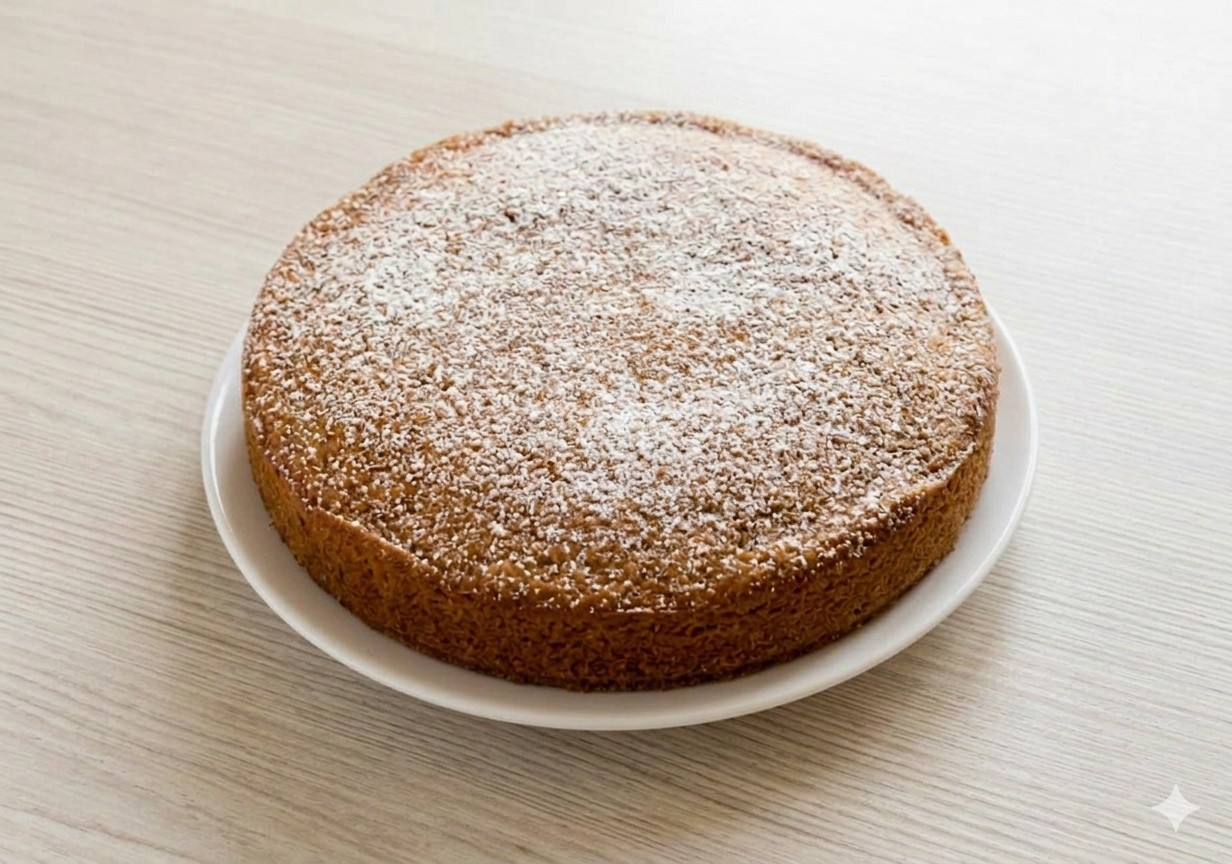
National Applesauce Cake Day is celebrated each June 6 as a tribute to one of America's most unassuming and historically loaded baked goods. Unlike the towering frosted creations that dominate dessert tables today, this cake built its reputation on restraint, surviving and thriving precisely because it asked so little of the pantry. It carries real history inside its crumb, connecting anyone who bakes one to generations of home cooks who made do with what they had and still managed something genuinely good. Few desserts can claim both deep roots in colonial New England and a starring role in wartime kitchens, yet the applesauce cake pulls that off without any fanfare.
National Applesauce Cake Day History
Applesauce cake found its earliest American following in the New England colonies, where orchards were among the most dependable crops settlers cultivated and preserved through long winters. Cooks quickly discovered that cooked, mashed apples added both moisture and structure to baked goods without demanding the eggs, butter, or refined sugar that were expensive or difficult to source. By the early 1900s, regional cookbooks across the country were printing their own takes on the recipe, each reflecting slightly different pantry realities but sharing the same core logic of building something satisfying from what was already on hand.
World War I transformed a regional favorite into a national staple, and National Applesauce Cake Day carries much of its meaning from that shift. Rationing placed sugar, butter, and eggs under conservation pressure, making a cake built around flour and preserved fruit an obvious practical choice for households trying to stretch limited supplies. The lack of frosting, which might have seemed like a shortcoming in ordinary times, became an advantage when perishable toppings were hard to justify, and the unfrosted loaf kept far longer than anything layered with cream or butter-based icings.
By the mid-twentieth century the wartime workaround had settled into the recipe canon as a genuine American classic, appearing in serious home cookbooks alongside more elaborate desserts without any need for apology. Its dense, spiced crumb suited afternoon tea as well as it did a weeknight dinner table, and the recipe passed between generations with the kind of quiet reliability that belongs to food people actually return to. The combination of forgiving technique, modest ingredients, and consistent results kept it alive long after the rationing that first made it necessary had ended.
Why National Applesauce Cake Day Matters
A Recipe Worth Passing Along
Applesauce cake sits at an accessible level for anyone new to baking, forgiving of small errors in a way that more technically demanding recipes are not. Teaching someone to make it, whether a child, a partner, or a friend curious about baking from scratch, transfers a skill attached to real history rather than a trend. What gets passed along with the recipe is a small but meaningful piece of American domestic life.
Proof That Simple Works
At a time when dessert culture trends toward elaborate layered constructions with specialty ingredients, applesauce cake makes a quiet argument for restraint. Flour and applesauce in the right proportions produce something genuinely satisfying without requiring a specialty shop or an afternoon of preparation. That ease is not a compromise but a feature, one worth rediscovering.
A Window Into Wartime Kitchens
Applesauce cake is a direct artifact of the domestic adjustments Americans made during periods of severe food scarcity, carrying in its ingredients a clear record of how households adapted. Baking one today is a way of touching that ingenuity directly rather than reading about it from a distance. The constraints that shaped the recipe tell a more vivid story than most history books manage.
How to Celebrate National Applesauce Cake Day
Run a Neighborhood Dessert Event
Organizing a community bake sale around this June occasion turns a personal baking project into something shared and purposeful, with proceeds directed toward a local cause. Inviting participants to bring their own versions of simple, historical American baked goods broadens the table and starts conversations about recipes and the people who kept them alive.
Put Up a Batch of Applesauce
Making fresh applesauce from scratch before baking the cake connects the two steps that home cooks have always treated as a single continuous process. Cooking down apples with a little lemon juice and letting the result cool before folding it into batter produces noticeably better flavor than anything from a jar. The process takes less time than most people expect and leaves the kitchen smelling exceptional.
Bake the Wartime Version
Making a depression-era or war cake, which strips the recipe down to the most minimal ingredient list and substitutes applesauce for fat and sugar, produces something historically accurate and genuinely interesting to taste. The result is denser and less sweet than modern cakes, which is precisely what makes it informative. Baking it once gives a direct sensory understanding of what rationing-era cooking actually produced.
Facts About Applesauce Cake
Eggs Were Optional by Design
Many original wartime applesauce cake recipes were formulated without eggs entirely, relying on the natural binding properties of cooked apple pulp to hold the batter together through baking.
Spices Carried the Flavor
Cinnamon, nutmeg, and cloves became the standard spice combination not purely by preference but because these dried spices were far easier to obtain and store than fresh flavoring ingredients during periods of rationing.
The Depression Cake Connection
Applesauce cake belongs to a broader family of "wacky cakes" developed across the early twentieth century, all sharing the principle of building flavor and structure from inexpensive, shelf-stable pantry staples.
Cornmeal Versions Existed
When wheat flour became scarce, certain regional versions incorporated cornmeal as a partial or complete substitute, producing a grainier texture that became its own distinct variation.
Longer Shelf Life Than Frosted Cakes
The absence of perishable frosting gave unfrosted applesauce cake a practical storage advantage that households without reliable refrigeration found genuinely valuable, well beyond its modest ingredient cost.
National Applesauce Cake Day Dates
| Year | Date |
| 2026 | June 6 |
| 2027 | June 6 |
| 2028 | June 6 |