
National Gardening Exercise Day - June 6, 2026
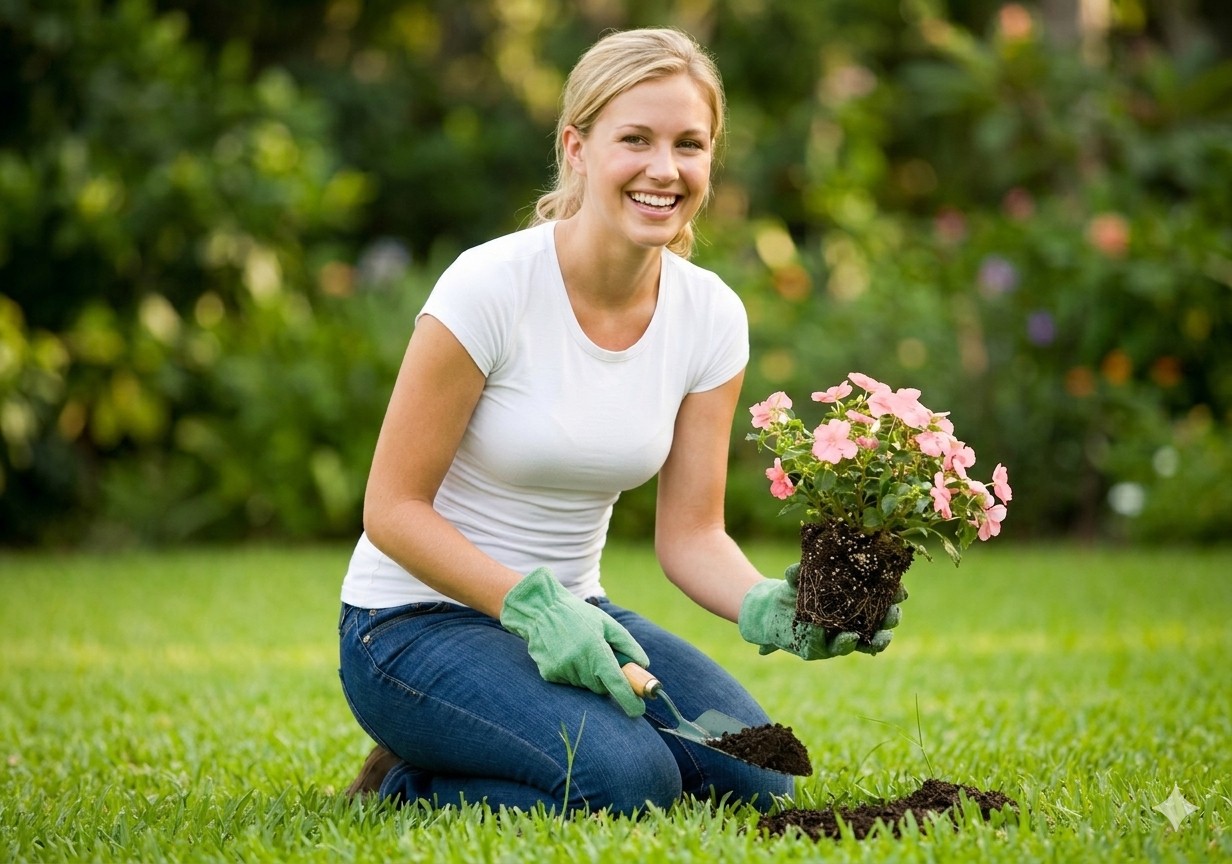
National Gardening Exercise Day is celebrated on June 6 as a reminder that one of the oldest human activities also happens to be one of the most physical. Digging, hauling, kneeling, and stretching across a garden bed works muscles that a gym session rarely touches, all while producing something genuinely beautiful or edible. There is a particular satisfaction in tending a patch of earth with your own hands, watching something fragile push through soil and grow stronger week by week. People who keep gardens often say they had no idea how demanding the work was until they felt it in their legs the next morning.
National Gardening Exercise Day History
Gardening is among the oldest purposeful activities in human history, predating written language by thousands of years. Archaeological evidence points to deliberate cultivation in Mesopotamia as far back as 10000 B.C., where early communities began shaping wild landscapes to suit their needs for food and shelter. Crops emerged independently across multiple continents in the millennia that followed, with rice documented in China around 7000 B.C. and maize developing simultaneously in Central America. By roughly 1100 B.C., cultivated spaces had outgrown purely agricultural purposes and were appearing around temples and civic buildings as expressions of order and prestige.
The intellectual side of horticulture grew alongside the practical. Between 100 B.C. and 100 A.D., writers across Rome, Greece, and Persia produced detailed texts on plant cultivation, botany, and waterworks, treating the garden as a subject worthy of serious study. National Gardening Exercise Day draws on this long tradition of seeing tended green spaces as more than a food source, a place where physical labor, aesthetic intention, and knowledge of living systems come together. The formal science of botany took shape in the 1600s, and botanical institutions began spreading that knowledge publicly across Europe and beyond.
The twentieth century brought horticulture into everyday domestic life in new ways. Wartime plots during the World War I era encouraged ordinary households to grow their own produce on any available land, and the movement reached millions of families. Suburban expansion through the 1950s gave those same families their first private lawns and backyard plots to cultivate. The environmental movements of the following decades shifted priorities toward native plantings and sustainable methods, a philosophy that continues to shape how people tend their land today.
Why National Gardening Exercise Day Matters
Eating What You Grew
Produce picked at peak ripeness from your own plot tastes fundamentally different from anything that spent days in transit or cold storage. Growing even a small quantity of herbs, tomatoes, or salad greens gives a person direct knowledge of what went into their food, with no guesswork about treatments or handling. The yield from a modest plot can meaningfully supplement a household's diet through the warmer months.
Sunlight and Soil Lift Mood
Time spent outdoors with hands in the earth has measurable effects on mental wellbeing, with research linking exposure to natural environments and soil microbes to reduced stress hormones. Working among plants creates a kind of focused attention that quiets mental chatter in ways that screen time rarely does.
Unexpected Physical Demands
Tending a plot of land demands far more from the body than most people expect before they start. Repeated squatting, gripping, twisting, and carrying builds functional strength that transfers directly to everyday movement. Physical therapists sometimes recommend light yard work as rehabilitation precisely because it engages so many different muscle groups at once.
How to Celebrate National Gardening Exercise Day
Turn Maintenance Into Training
Choosing hand tools over power equipment transforms routine upkeep into a genuine workout, and setting a timer for intervals of digging or weeding adds structure to the effort. Incorporating deliberate movements, full squats when planting, long lunges when laying mulch, turns the session into something closer to functional training.
Find a Shared Plot Nearby
Neighborhood allotments and shared growing spaces offer access to proper beds for people without outdoor space of their own, and the social element of working alongside other growers adds motivation that solo projects sometimes lack. Many plots have waiting lists, but showing up to inquire in person often helps, and some urban farms welcome drop-in volunteers who want to contribute a few hours of labor.
Bring Greenery Indoors
A single pot of herbs on a windowsill or a container of tomatoes on a balcony is enough to begin, and the physical tending of even a modest planting counts as genuine activity. Repotting, pruning, and watering with intention all add movement to an otherwise sedentary day. Starting small also makes it easier to build the habit, since a plant that fits on a kitchen counter is much harder to neglect than one out in a yard.
Facts About Soil and Roots
Oldest Formal Layout Found
Excavations at an Egyptian site dated to around 1400 B.C. revealed a planned arrangement of tree pits in rows, considered one of the earliest ornamental layouts yet discovered.
Romans Spread Plant Knowledge
Roman expansion carried Mediterranean fruit trees, herbs, and cultivation techniques into northern Europe, permanently altering the flora of regions that had never grown those plants before.
Wartime Plots Fed Millions
During World War I, patches planted on private and public land across Britain and the United States collectively produced an estimated 40 percent of all vegetables consumed domestically.
Soil Bacteria Affect the Brain
Research published in the early 2000s identified a soil bacterium called Mycobacterium vaccae that, when inhaled during outdoor work, appears to stimulate serotonin production in the brain.
Real Calorie Burn Per Hour
An hour of active digging or hoeing burns roughly the same number of calories as a moderate-intensity cycling session, placing it firmly in the category of legitimate physical effort.
National Gardening Exercise Day Dates
| Year | Date |
| 2026 | June 6 |
| 2027 | June 6 |
| 2028 | June 6 |