
National Peanut Butter Cookie Day - June 12, 2026
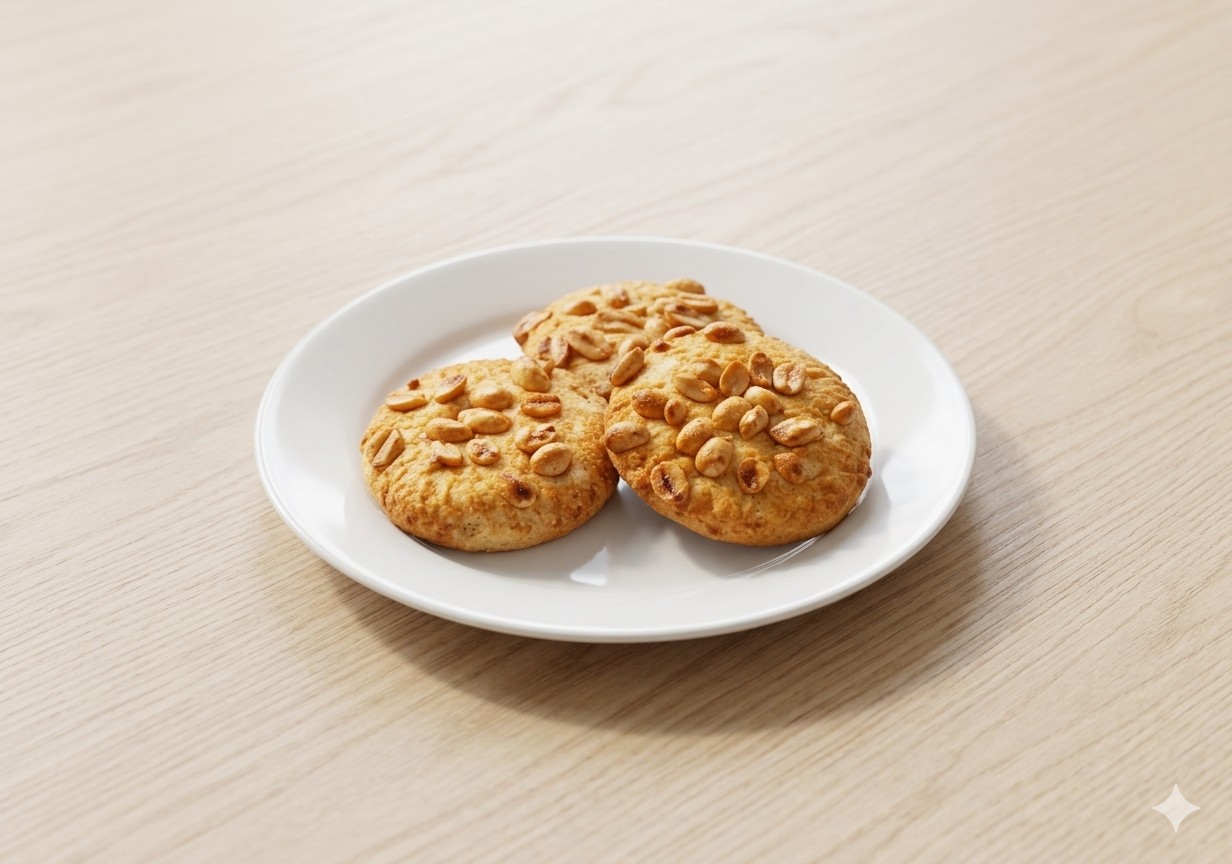
National Peanut Butter Cookie Day takes place on June 12 in appreciation of a cookie that requires almost no effort to make but delivers a flavor that is difficult to improve on. Just peanut butter, sugar, and an egg are enough to produce something genuinely satisfying, which is rare in baking. The crosshatch pattern pressed into the top of each cookie with a fork has become so recognizable that it signals peanut butter before the first bite. Few treats carry that kind of immediate identity, and this occasion gives bakers and snackers alike a reason to indulge.
National Peanut Butter Cookie Day History
Peanut butter sits at the center of this cookie, and its path into American kitchens was longer and stranger than most people expect. The peanut itself traveled a great distance before becoming a staple: archaeological evidence places its cultivation among ancient Andean peoples in Peru and Brazil some 3,500 years ago, and European explorers carried it outward to Africa and Asia before Africans brought it to North America in the 1700s. In the United States, peanuts initially had a modest reputation, useful as animal feed or a crop for the poor, until Union soldiers during the Civil War discovered that peanuts were filling, portable, and packed with protein, which gave the legume a new kind of cultural footing. National Peanut Butter Cookie Day draws on this deep history, celebrating not just a recipe but the long journey of its central ingredient.
The boll weevil crisis of the early 1900s reshaped Southern agriculture by devastating cotton crops and leaving farmers without their primary income. Dr. George Washington Carver responded by encouraging plantations to plant peanuts instead, research he supported with practical publications including a 1916 book that offered recipes for preparing peanuts in multiple forms. Credit for the first American peanut butter is generally given to Dr. John Harvey Kellogg, who patented a version in 1895, while a Saint Louis physician developed his own around the same time to provide protein to patients who could no longer chew meat. Peanut butter reached the World's Fair in 1904 and entered grocery stores by 1920, by which point home bakers were already incorporating it into cookies.
Joseph Rosefield improved the product in 1922 by finding a way to keep the oil from separating, making it more practical and shelf-stable. The cookie's most distinctive feature, the crosshatch fork pattern pressed into the dough before baking, appeared in print for the first time in 1932 in The Schenectady Gazette, giving the recipe the visual signature it still carries today. From that point forward, peanut butter cookies became a fixture of American home baking, associated as much with the smell of them in the oven as with the taste.
Why National Peanut Butter Cookie Day Matters
A Recipe Worth Passing On
Peanut butter cookies are simple enough that children can participate in making them from start to finish, which turns the baking process into something shared rather than performed for an audience. The three-ingredient version requires no mixer, no chilling, and almost no cleanup, which lowers the threshold enough that the kitchen becomes accessible rather than intimidating.
More Nutritional Value Than Expected
Peanut butter contributes protein, healthy fats, and micronutrients including magnesium and vitamin E to whatever it is mixed into, which gives even a simple cookie more nutritional substance than most desserts. Research has also linked regular peanut consumption to reduced risk of cardiovascular disease, which does not make cookies a health food but does make the indulgence feel somewhat more defensible.
A Flavor That Delivers Every Time
The combination of roasted peanut, sweetness, and a slight saltiness in a peanut butter cookie is difficult to replicate with any other ingredient, and the balance tends to satisfy in a way that more elaborate cookies do not always manage. That consistency is part of the appeal: there is very little variation in how good a peanut butter cookie can be, regardless of who made it or how simple the recipe was.
How to Observe National Peanut Butter Cookie Day
Bring Someone Into the Kitchen
Inviting a friend, a child, or anyone else with access to a kitchen turns the baking into an event rather than a task, and peanut butter cookies are well suited to it because the steps are easy to divide. One person can measure and mix while another presses the fork pattern, and the whole thing is finished before the oven even finishes preheating. Sharing the result at the end of the process is more satisfying than eating a cookie alone, which is probably true of most things.
Browse Bakeries and Brands
Bakeries that make their cookies fresh tend to produce a noticeably different result: chewier, more substantial, and usually pressed with a heavier fork pattern that holds its shape after baking. Seeking one out in the neighborhood is a lower-effort way to mark the occasion and often leads to discovering a local spot worth returning to. Packaged options like Nutter Butters remain a reliable backup for anyone without a bakery nearby.
Bake a Fresh Batch
The three-ingredient version takes about fifteen minutes from start to finish and produces a result that is hard to argue with, making it a practical starting point for anyone who has not baked cookies before. For those who want to go further, additions like vanilla, chocolate chips, or a pinch of flaky salt open up the recipe without significantly increasing the effort. Making more than needed is rarely a mistake, since peanut butter cookies keep well for several days.
Facts About Peanut Butter Cookies
The Fork Pattern Has a Purpose
Pressing a fork into peanut butter cookie dough before baking flattens it enough to cook through evenly, since the dough is dense and would otherwise remain underdone in the center.
Kellogg's Patent Was for Medicine
Dr. John Harvey Kellogg's 1895 peanut butter patent was originally developed as a protein supplement for sanitarium patients, not as a food product for general consumption.
George Washington Carver Found Hundreds of Uses
Carver documented over 300 uses for the peanut plant through his research at Tuskegee Institute, a body of work that helped transform how American agriculture and industry approached the crop.
Peanuts Are Legumes
Despite being called a nut, the peanut is botanically a legume, growing underground in pods rather than on trees like almonds, walnuts, or cashews.
Rosefield's Process Changed the Industry
Joseph Rosefield's 1922 method for stabilizing peanut butter eventually led to the creation of Skippy, one of the most widely sold peanut butter brands in the United States.
National Peanut Butter Cookie Day Dates
| Year | Date |
| 2026 | June 12 |
| 2027 | June 12 |
| 2028 | June 12 |