
Superman Day - June 12, 2026
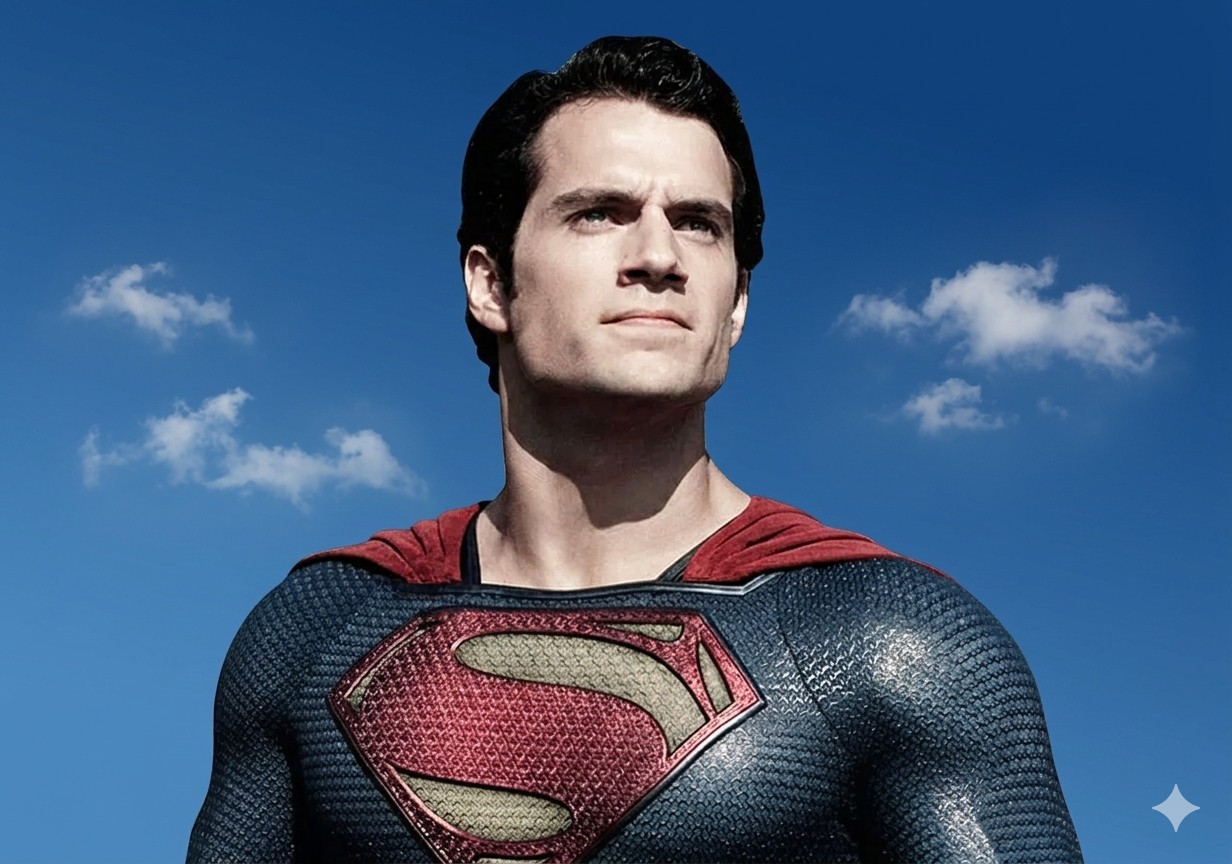
Superman Day is marked on June 12 in tribute to the caped hero who has defined what a superhero looks and stands for across nearly nine decades of storytelling. What began as a promotional push tied to a single film release grew into something far bigger than its corporate origins suggested. The character endures not because of any particular storyline but because the combination of limitless power and genuine decency turns out to be a fantasy that never really ages. No costume in pop culture history is more immediately recognizable, and no fictional moral code has been more consistently invoked when people try to articulate what heroism should actually look like.
Superman Day History
Superman as a concept arrived before Superman as a character: writer Jerry Siegel first sketched the idea of a godlike figure protecting ordinary people in 1933 while still a teenager in Cleveland, collaborating with artist Joe Shuster to refine the character over several years of rejection before any publisher took interest. The version audiences still recognize today, complete with the cape, the "S" shield, and the Clark Kent identity, debuted on April 18, 1938, in Action Comics #1, a comic that originally sold for a dime and now ranks among the most valuable printed objects on Earth. Superman Day as a formal observance was established in 2013 by DC Entertainment as a way to build anticipation for the film Man of Steel, with comic book retailers distributing free copies of All-Star Superman #1 Special Edition to mark the occasion.
What makes the character structurally unusual is the choice his creators made about his civilian life: a being who can stop bullets and reverse the rotation of the planet spends his working hours as a newspaper reporter named Clark Kent, asking questions and filing copy on deadline. That tension between what he could do and what he chooses to do became the engine of decades of storytelling, playing out through his relationships with Lois Lane, his adoptive parents Martha and Jonathan Kent of Smallville, Kansas, and his Kryptonian origins as the son of Jor-El and Lara. The destroyed home planet Krypton gave him his vulnerability, not just the physical one posed by kryptonite but the existential one of being the last survivor of a world he never knew.
The character expanded far beyond print almost immediately, appearing in radio serials beginning in 1940, then in a theatrical animated series from Fleischer Studios, and eventually in live-action film with Kirk Alyn in 1948. Television brought George Reeves into American living rooms through the 1950s, and Christopher Reeve's 1978 film performance set a standard that shaped every subsequent portrayal, including those of Brandon Routh, Henry Cavill, and the voice actors like Bud Collyer who defined the character for earlier generations. Each medium added new dimensions to the mythology without erasing what came before, which is why the character remains narratively elastic enough to be rebooted repeatedly without ever feeling spent.
Why Superman Day Matters
Comics as Cultural Record
Superman's storylines across nearly ninety years of publication track American anxieties, aspirations, and arguments with unusual directness, from Depression-era stories about corrupt landlords to Cold War allegories to contemporary debates about immigration and belonging. Reading through the archive is less like visiting a fantasy and more like reading a long editorial about what the country hoped it stood for at any given moment.
The Secret Identity Question
Clark Kent is not a disguise Superman wears to hide from the world but a genuine identity that reflects how he understands himself, rooted in the values of a small Kansas town rather than in the accident of his alien biology. The philosophical weight of that choice sits at the center of the character's most compelling storylines: what it means to hide capability, to choose vulnerability, and to belong to a place that was not your origin.
A Blueprint for Heroism
Superman established the visual and moral grammar that virtually every superhero created afterward has been measured against, either by following the template or deliberately departing from it. The idea that extraordinary power should be paired with restraint, compassion, and a commitment to ordinary people rather than personal gain became the foundational assumption of an entire genre.
How to Celebrate Superman Day
Find a Cause Worth the Cape
Superman's defining characteristic is not the flight or the strength but the specific quality of attention he pays to people who cannot protect themselves, which translates directly into the logic of volunteering. Spending part of the day contributing to a food bank, a crisis line, or a neighborhood cleanup connects the occasion to something outside the screen and the page. The fictional version would approve.
Stage a Chronological Screening
Watching Superman adaptations in order of release rather than internal story chronology reveals how each era projected its own anxieties and aesthetics onto the character, from the earnest serials of the 1940s to the maximalist spectacle of recent films. Even a partial version of that experiment, two or three films from different decades, makes the cultural shifts visible in ways that reading about them does not. The costume changes alone tell a story.
Hunt Down a Key Issue
Tracking down a significant issue in Superman's publication history, whether a first appearance of a major villain, a landmark story arc, or a celebrated run by a particular writer or artist, gives the occasion a collector's purpose and a genuine entry point into the comics. Libraries, digital platforms, and comic shops all offer access at different price points. Reading the original material rather than summaries changes the experience entirely.
Facts About Superman
The Rejected Years
Siegel and Shuster spent roughly five years submitting Superman to publishers before DC Comics finally accepted the character, meaning the most successful superhero in history was nearly abandoned before anyone ever read him.
Faster Than a Speeding Lawsuit
DC Comics pursued and won a legal case against Fawcett Publications in the 1950s, arguing that their character Captain Marvel was too similar to Superman, a battle that took years in court and effectively ended Captain Marvel's original run.
The Voice Came First
Bud Collyer began voicing Superman on the radio serial in 1940, making the character an audio phenomenon before most audiences had ever seen him move on screen, and establishing the convention of a deeper voice for Superman and a lighter one for Clark Kent.
Kryptonite Was a Radio Invention
Kryptonite did not appear in the original comics but was introduced in the 1943 Superman radio serial, reportedly to give Bud Collyer time off by having Superman incapacitated for episodes at a time, before being adopted into the comics canon.
The Sold Original
The original Action Comics #1 from 1938, which introduced Superman to the world, has sold at auction for over three million dollars, making it the most valuable comic book ever sold.
Superman Day Dates
| Year | Date |
| 2026 | June 12 |
| 2027 | June 12 |
| 2028 | June 12 |