
World Day Against Child Labour - June 12, 2026
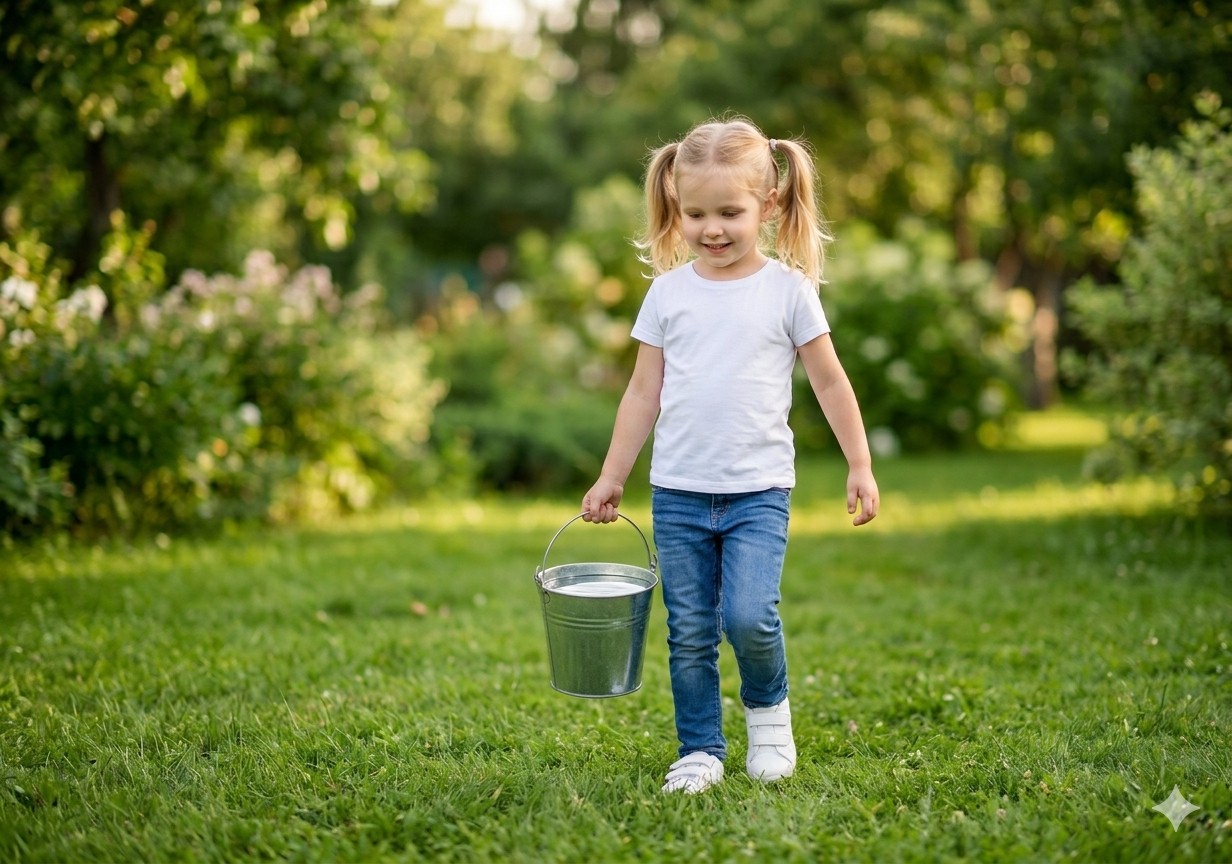
World Day Against Child Labour is observed every June 12 to draw global attention to the millions of children denied education, safety, and childhood by exploitative labor practices. The International Labour Organization drives this observance, coordinating governments, civil society groups, and advocacy networks around a shared demand for enforceable change. What makes the day distinct from general humanitarian awareness campaigns is its insistence on specific legal and economic accountability rather than sympathy alone. Behind every statistic is a child whose time, development, and future have been taken by systems that adults built and adults can dismantle.
World Day Against Child Labour History
Child labor on a global industrial scale did not emerge with the modern economy but was inherited by it, embedded in agricultural, mining, and manufacturing systems that treated children as cheap, compliant substitutes for adult workers across centuries and continents. The scale of harm was well documented long before any international body existed to address it, which is precisely why labor protections became a founding concern of the International Labour Organization when it was created in 1919 under the Versailles Treaty that ended World War I. World Day Against Child Labour was created in 2002 by the ILO as a formal annual platform for governments, organizations, and communities to coordinate action and accountability around eliminating child labor in every form.
The ILO's approach has always rested on definition before enforcement: without a shared understanding of what child labor actually means, legislation risks protecting no one. The organization drew a deliberate line between work that can support a child's healthy development, such as supervised tasks within a family context, and work that deprives children of schooling, physical safety, and psychological wellbeing. Extreme forms of child labor include debt bondage, forced recruitment into armed conflict, trafficking, and hazardous work in industries like mining and agriculture, where children as young as five are documented working full adult schedules. That definitional clarity became the foundation for the 1999 Worst Forms of Child Labour Convention, which established binding minimum standards including an employment age floor tied to compulsory schooling requirements.
The legal architecture built around those standards gained additional structural support when the United Nations adopted its Sustainable Development Goals in 2015, embedding the elimination of all child labor as a concrete target within the broader 2030 development agenda. Progress has been measurable: the global number of children in labor fell from an estimated 246 million in 2000 to around 160 million by the early 2020s, though the pace of reduction has slowed and regional disparities remain severe. Sub-Saharan Africa accounts for the largest share of cases, and economic pressure in fragile states continues to push families toward decisions that sacrifice children's futures for immediate survival.
Why World Day Against Child Labour Matters
Connecting Local Action to Global Accountability
Individual donations, school programs, and corporate supply chain audits all contribute to a broader accountability structure that this occasion makes legible to ordinary people. Knowing that a specific organization sets annual benchmarks and publishes progress reports transforms abstract concern into trackable engagement. People who understand the mechanisms of change are considerably more likely to participate in them over the long term.
Naming What Harms Children
The ILO's insistence on precise definitions gives legislators, prosecutors, and aid workers a shared language that holds up under legal scrutiny rather than dissolving into sentiment. Without that clarity, harmful arrangements get reclassified as apprenticeships, domestic help, or family obligations, making enforcement nearly impossible. The annual observance keeps that definitional work visible and politically difficult to quietly abandon.
The Education Connection
Every child in labor is, statistically, a child not in school, and the two conditions reinforce each other across generations in ways that make poverty self-perpetuating without external intervention. Children who miss schooling during formative years enter adulthood without qualifications, limiting lifetime earnings and making it more likely their own children face the same pressures.
How to Observe World Day Against Child Labour
Fund Direct Interventions
Groups including Save the Children, UNICEF, and the ILO's own International Programme on the Elimination of Child Labour fund direct interventions including school enrollment drives, family income support programs, and legal advocacy in high-risk regions. Even modest financial contributions to these organizations go toward field operations with measurable outcomes rather than administrative overhead alone.
Contact Elected Representatives
Legislative frameworks governing corporate supply chain transparency, trade agreements, and foreign aid conditions are among the most powerful levers available against child labor, and they respond to constituent pressure. Writing to a member of parliament, congressperson, or local councillor about specific pending legislation connects personal concern to the political processes that produce enforceable change.
Audit What You Buy
Many goods in global supply chains, including cocoa, cotton, coffee, and certain electronics, have documented histories of child labor at extraction or production stages, and consumer pressure has proven capable of shifting corporate sourcing practices. Researching the labor certifications behind everyday purchases, and choosing certified alternatives where they exist, turns a routine transaction into a small act of structural pressure. Organizations like the Fair Trade Foundation publish accessible guides to help consumers navigate these choices.
Facts About Child Labour
The Agricultural Majority
More than 70 percent of child labor worldwide occurs in agriculture rather than factories or mines, making farming the sector with the largest concentration of exploited children globally.
Girls Bear Different Burdens
Girls in child labor are disproportionately concentrated in domestic work inside private households, a setting that makes them especially difficult to reach through standard labor inspections and legal enforcement mechanisms.
The Conflict Multiplier
Children living in conflict-affected regions are significantly more likely to be in labor than those in stable countries, with fragile states accounting for a disproportionate share of global child labor cases relative to their populations.
A Legal Milestone in 1973
The ILO's Minimum Age Convention, adopted in 1973, was the first binding international instrument to establish a universal floor for employment age, replacing a patchwork of industry-specific agreements that had governed the issue since 1919.
Progress Is Reversible
After two decades of consistent decline, global child labor figures stopped falling and began rising slightly in the early 2020s, the first such reversal in twenty years, driven by economic shocks and humanitarian crises across multiple regions.
World Day Against Child Labour Dates
| Year | Date |
| 2026 | June 12 |
| 2027 | June 12 |
| 2028 | June 12 |