
Fresh Veggies Day - June 16, 2026
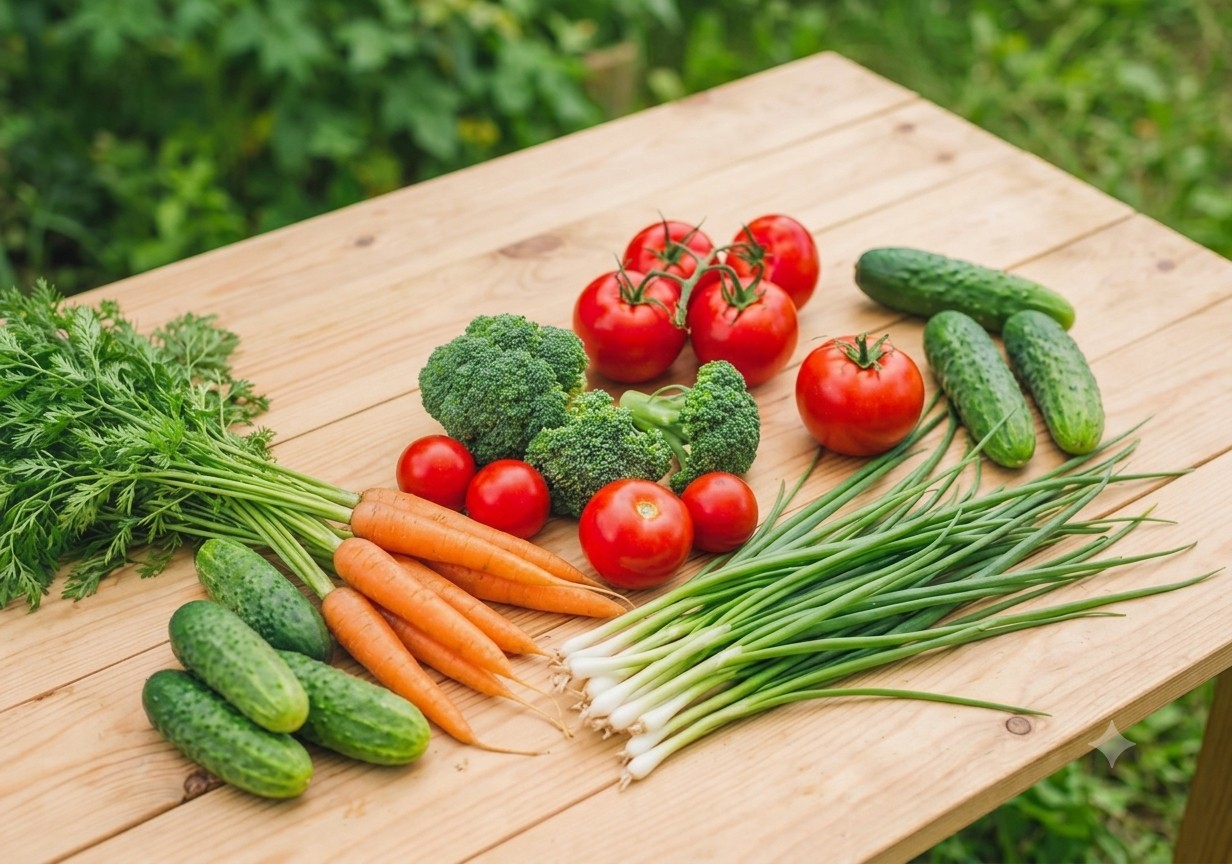
Fresh Veggies Day is celebrated on June 16, drawing attention to the produce that fills markets every season with color, nutrition, and genuine variety. Vegetables are not a recent dietary discovery but the foundation on which most agricultural civilizations built their food systems, long before packaged goods reshaped how people eat. The occasion makes a quiet argument: that choosing fresh produce is one of the most direct investments a person can make in their own health and in the land that grows their food.
Fresh Veggies Day History
Veggies have fed human civilizations for millennia, but the question of how they became a reliable, widely available part of everyday American life is really an industrial story as much as an agricultural one. The groundwork was laid by British and Scandinavian settlers who brought established farming practices into the American Midwest and found soil rich enough to produce far more than their own communities could consume. Fresh Veggies Day points back to that agricultural foundation, to a time when access to fresh produce depended entirely on proximity to the farm and the season outside your window.
Railroads changed that calculation entirely. By the mid-1800s, freight lines connecting the Midwest to Chicago gave farmers a direct route to large-scale processing and distribution, and from Chicago the supply chain extended further east by rail and water. The scale grew quickly: by 1852 the nationwide movement of fruits and vegetables was significant enough that the New York Times was describing the California and Oregon trail as a major artery for fresh produce transport, and by 1855 the West Coast alone was shipping 59 million pounds of produce eastward by rail. That volume signaled that Americans were beginning to expect fresh vegetables as a regular feature of their diet rather than a seasonal luxury.
The federal government formalized its commitment to this shift in 1862, when the Department of Agriculture was established with a mandate that included ensuring broad public access to fresh vegetables and improved nutrition across the country. In the spring of 1992, a quieter but equally significant shift happened in rural North Dakota, where a group of farmers gathered to confront a different kind of problem: the long-term costs of conventional chemical farming. That gathering pointed toward farming methods relying on crop rotations, cover crops, compost, and manure rather than synthetic pesticides, herbicides, and fertilizers, a philosophy that continues shaping how Americans grow and think about their food today.
Why Fresh Veggies Day Matters
A Smaller Carbon Footprint on the Plate
Shifting even a portion of a regular diet toward fresh plant-based foods reduces the environmental pressure created by more resource-intensive food production, from greenhouse gas emissions to water consumption to land use. The cumulative effect of many individuals making that shift on the same day creates a small but real moment of collective action. Choosing local produce amplifies the impact by shortening the supply chain between farm and table.
Soil Health Connects to Human Health
The nutritional density of a vegetable depends heavily on the condition of the soil it grew in, which means the choice between industrially farmed and sustainably grown produce is not just an environmental position but a personal health decision. Regenerative and organic growing methods tend to produce food with a richer mineral profile, a fact that gives the push toward better farming practices immediate relevance for anyone thinking about their diet.
Raw Is an Option Too
Most people default to cooking vegetables out of habit rather than necessity, overlooking the fact that many of the nutrients in fresh produce are most potent before any heat is applied. Carrots, cucumbers, bell peppers, and snap peas lose nothing by skipping the stove, and eating them raw builds a different and often more immediate relationship with the food.
How to Celebrate Fresh Veggies Day
Leave Someone a Box
Assembling a box of seasonal vegetables and leaving it with a neighbor, a family member, or a community pantry costs little and carries a kind of warmth that a store-bought gift rarely matches. Choosing produce that travels well, such as firm tomatoes, whole heads of garlic, and sturdy greens, means it will still be in good condition whenever the recipient gets to it. The gesture draws a direct line between the day's intention and a concrete act of generosity.
Host a Veggie Spread
Organizing a casual gathering where every dish centers on fresh vegetables gives friends and family a low-pressure reason to try preparations they would not normally encounter. A table covered with roasted root vegetables, dressed raw salads, marinated produce, and dips made from fresh legumes shows the range of what vegetables can do without any meat needing to anchor the table.
Build a Plate from Scratch
Spending time at a farmers market and letting what looks best determine the menu for the day is a completely different experience from shopping with a fixed list in mind. Talking to growers directly about what is at peak ripeness and how they prefer to prepare it often leads to combinations that never appear in recipe books. The result tends to be a meal that feels more alive than anything assembled from a standard weekly plan.
Facts About Fresh Veggies
Color Signals Nutrient Type
Different vegetable colors correspond to distinct families of phytonutrients, so a varied color range on the plate generally means a broader nutritional profile.
The Tomato Debate Persists
Tomatoes are botanically a fruit, but the U.S. Supreme Court ruled in 1893 that they are legally a vegetable for trade and tariff purposes.
Shelf Life Shrinks Fast
Many vegetables start losing nutritional value within hours of harvest, which is why farm-direct produce often tastes noticeably different from store-bought.
Ancient Varieties Still Exist
Seed preservation organizations maintain collections of vegetable varieties centuries old that commercial breeding abandoned in favor of uniformity and shelf life.
Fermentation Extends the Season
Before refrigeration, lacto-fermentation was the primary method most cultures used to preserve vegetables and their nutrients through winter.
Fresh Veggies Day Dates
| Year | Date |
| 2026 | June 16 |
| 2027 | June 16 |
| 2028 | June 16 |